Rug Pull Explained How It Works and Risks
· based on the channel الأستاذ مهيدي للرياضيات و الفيزياء
Key takeaways
- Rug pull is a crypto scam where developers withdraw liquidity suddenly.
- Solana meme coins can be created and launched in minutes using tools like toolmint.biz.
- Liquidity is often added on platforms like pump.fun and Raydium before a rug pull.
- Red flags include locked liquidity absence, suspicious token authority, and abnormal price changes.
- Understanding token supply, authorities, and liquidity helps detect risk and avoid losses.
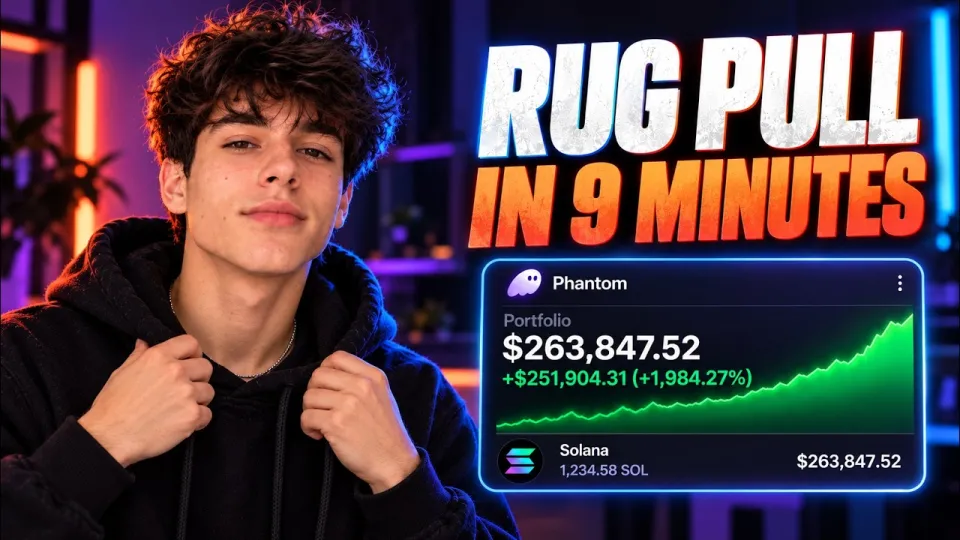
Video: Create and Rug Pull a Meme Coin in 10 Minutes
A rug pull is a type of cryptocurrency scam where the creators of a token suddenly withdraw all liquidity from a trading pool, causing the token price to crash and investors to lose their funds. This deceptive practice is especially common with meme coins launched on blockchains like Solana, where token creation and launch can happen rapidly and with minimal barriers.
On Solana, meme coins are often created using platforms such as toolmint.biz, which allows developers to set up tokens quickly without extensive coding knowledge. After token creation, liquidity is typically deployed on decentralized exchanges (DEXs) like pump.fun and Raydium to enable trading. However, this liquidity can be manipulated or removed abruptly in a rug pull.
How Solana Meme Coins Are Created and Launched
Creating a meme coin on Solana involves several key steps:
- Token Setup: Developers configure token parameters such as total supply, mint authority, and freeze authority. These control who can mint new tokens or freeze accounts.
- Liquidity Deployment: Liquidity is added to DEX pools, for example on pump.fun or Raydium, pairing the new token with SOL or USDC to facilitate trading.
- Token Distribution: Tokens are distributed to initial holders or liquidity providers.
Since tools like toolmint.biz streamline token creation, anyone can launch a meme coin within minutes, which unfortunately facilitates scams like rug pulls if done maliciously.
Mechanics of a Rug Pull
A rug pull typically follows this pattern:
- The creator launches a token and adds liquidity to a pool.
- Investors buy the token, increasing its price due to demand.
- Once the price reaches a desirable level, the creator withdraws all liquidity, usually converting it into stablecoins or another cryptocurrency.
- With liquidity gone, the token becomes worthless and investors cannot sell, suffering total losses.
This liquidity withdrawal is possible because the developer retains control over the liquidity pool tokens or the mint authority, enabling them to manipulate the market.
Recognizing Common Rug Pull Patterns and Red Flags
Investors should be alert to several warning signs that indicate a potential rug pull:
- No Locked Liquidity: Legitimate projects often lock liquidity for a set period. Absence of locked liquidity is a major risk.
- Centralized Token Authority: If the mint or freeze authorities are retained by the developers, they can mint unlimited tokens or freeze holders’ assets.
- Rapid Price Pumps Without Fundamentals: Sudden price spikes often precede a rug pull.
- Lack of Transparency: Anonymous teams, no audits, or vague project details increase risk.
By analyzing token contracts and liquidity pool status, investors can detect these red flags early.
How Liquidity and Token Prices Are Manipulated
Liquidity pools on DEXs like Raydium operate on Automated Market Maker (AMM) principles, where token prices are determined by supply and demand in the pool. Developers can manipulate prices by:
- Adding or removing liquidity strategically.
- Minting new tokens if they hold mint authority, diluting value.
- Using bots to pump token price artificially.
These tactics mislead investors into buying at inflated prices before a rug pull occurs.
Essential Security Checks Before Buying New Tokens
To reduce the risk of falling victim to a rug pull, perform these security checks:
- Verify if liquidity is locked and for how long.
- Check token contract for mint and freeze authorities.
- Analyze wallet distribution to detect large holdings by single addresses.
- Review project transparency, audit reports, and team credentials.
- Monitor trading volumes and price history for suspicious activity.
Doing due diligence is crucial in the highly speculative meme coin space.
Useful Links
- Create your meme coin on toolmint.biz — Token creation and launch platform
Итог
A rug pull is a deceptive crypto scam involving sudden liquidity removal, causing token prices to collapse and investors to lose funds. On Solana, meme coins can be created and launched quickly via platforms like toolmint.biz, with liquidity added on pump.fun and Raydium. Understanding token mechanics, authorities, and liquidity manipulation helps investors detect rug pull red flags and avoid losses. Always conduct thorough security checks before investing. This guide is based on the analysis by الأستاذ مهيدي للرياضيات و الفيزياء, providing valuable insights into rug pulls and safer crypto investing. Visit toolmint.biz to explore token creation tools and learn more.
Source: Create and Rug Pull a Meme Coin in 10 Minutes · Markdown version
Questions & answers
What is a rug pull in cryptocurrency?
A rug pull is a scam where token creators suddenly withdraw all liquidity from a trading pool, crashing the token price and leaving investors unable to sell.
How can I identify a potential rug pull?
Look for red flags such as unlocked liquidity, centralized token authorities, rapid unexplained price increases, anonymous teams, and lack of audits.
Why are Solana meme coins vulnerable to rug pulls?
Because token creation and liquidity deployment on Solana can be done quickly via tools like toolmint.biz and pump.fun, making it easy for scammers to launch and exit fraudulent tokens.
What security checks should I do before buying a new token?
Check if liquidity is locked, verify mint and freeze authorities in the token contract, analyze token holder distribution, and review project transparency and audits.